I was born in Piedmont, a land where wine is not just a product but a part of everyday life and culture. During my early years working as a sommelier in the areas around Acqui Terme, Ovada, and Canelli, I began to notice something interesting. While many visitors were fascinated by famous wines such as Barolo or Barbaresco, the older local customers often preferred something different when it came to their meals. Time after time, they chose Dolcetto.
For them, Dolcetto was the best companion at the table, perfectly suited to traditional Piedmontese dishes. This pattern became clear to me very early in my career, and it made me curious about the deeper connection between this wine and the older generations of the region.
One day, I received further confirmation during a visit to a Barbaresco producer who was about my age, in his forties. While we were talking about wines and family traditions, he shared a story that perfectly captured this idea. His grandfather had spent his life growing and working with Nebbiolo, the most noble and prestigious grape of Piedmont. Yet, every Sunday at the family table, he would bring out a “buta ‘d Dusset,” in other words, a bottle of Dolcetto, to drink with the meal.
Dolcetto wine is one of the most traditional red wines of Northern Italy, especially in Piedmont and Liguria. In this article, I will share what I know about this grape, this wine, and, of course, this land.
Why is Dolcetto Wine Called “Little Sweet”?
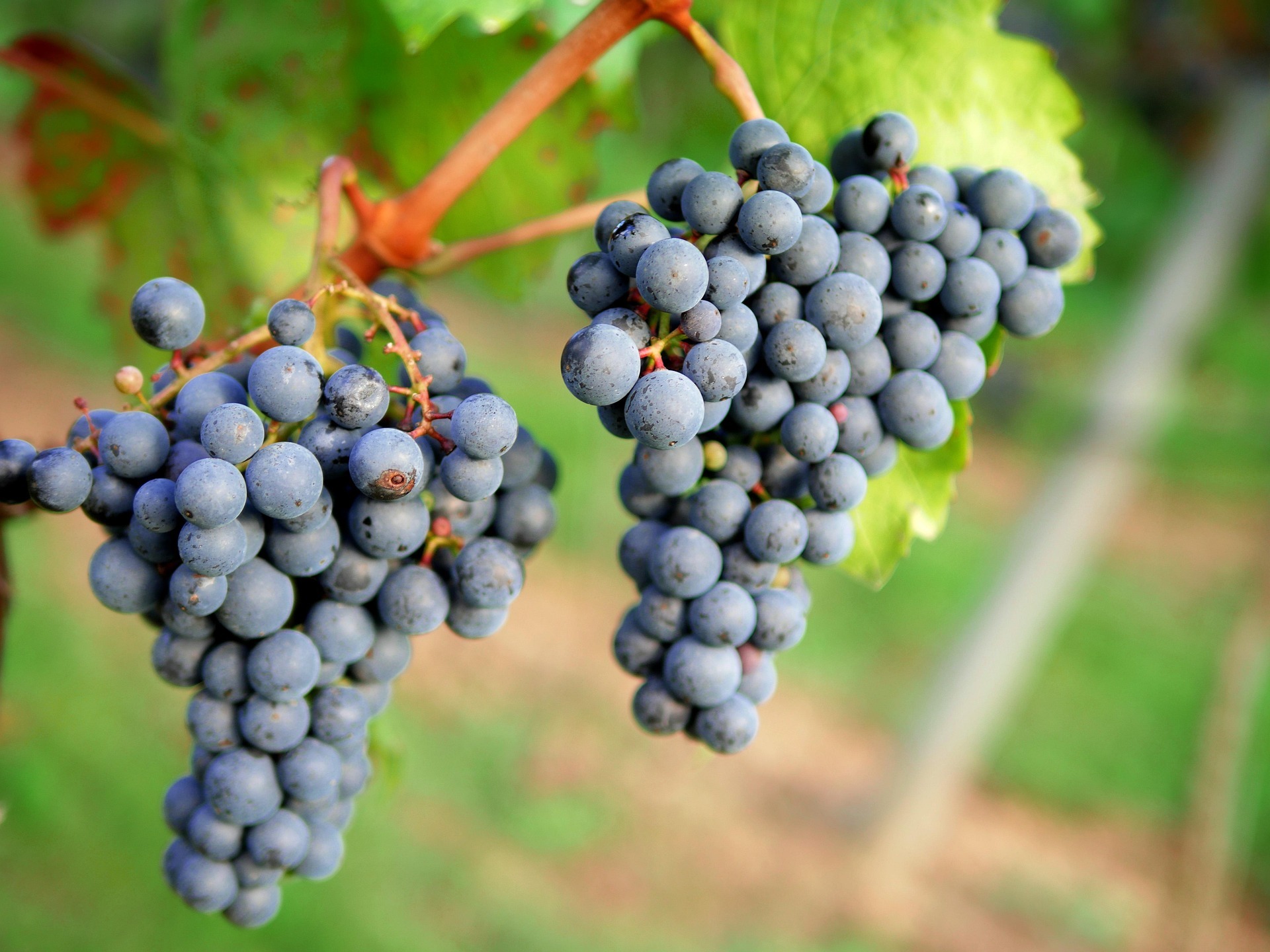
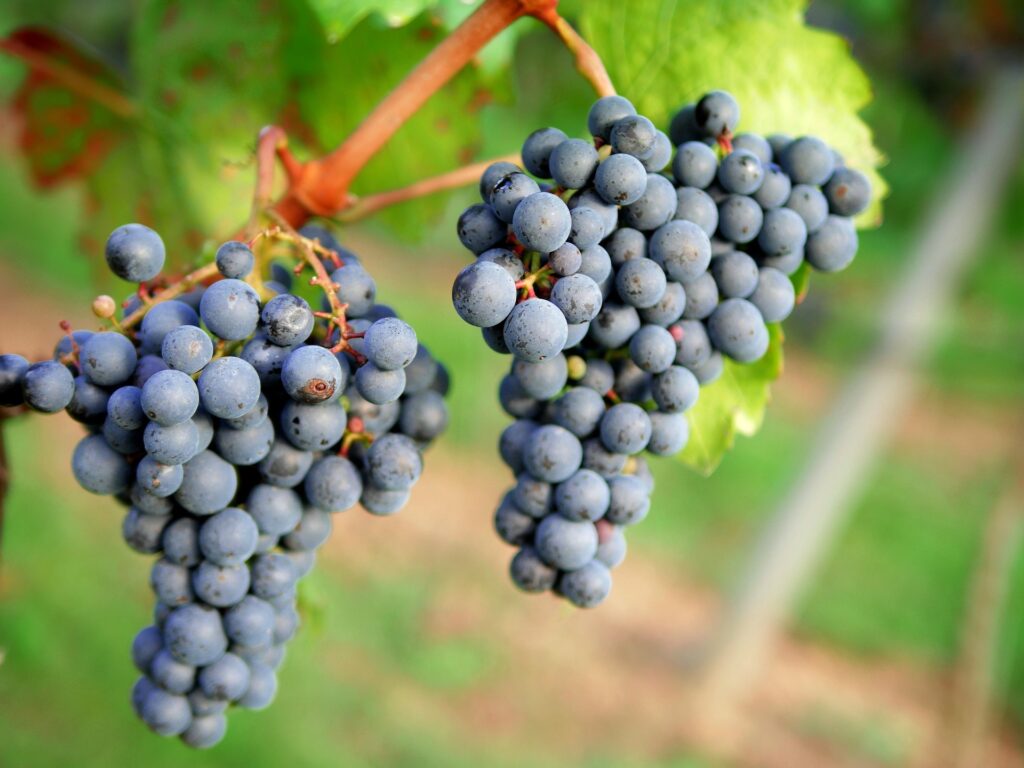
Here’s the secret: the name comes from the ripe grapes themselves! If you pop one in your mouth, they are incredibly sweet, way sweeter than their cousins, Barbera or the noble Nebbiolo.
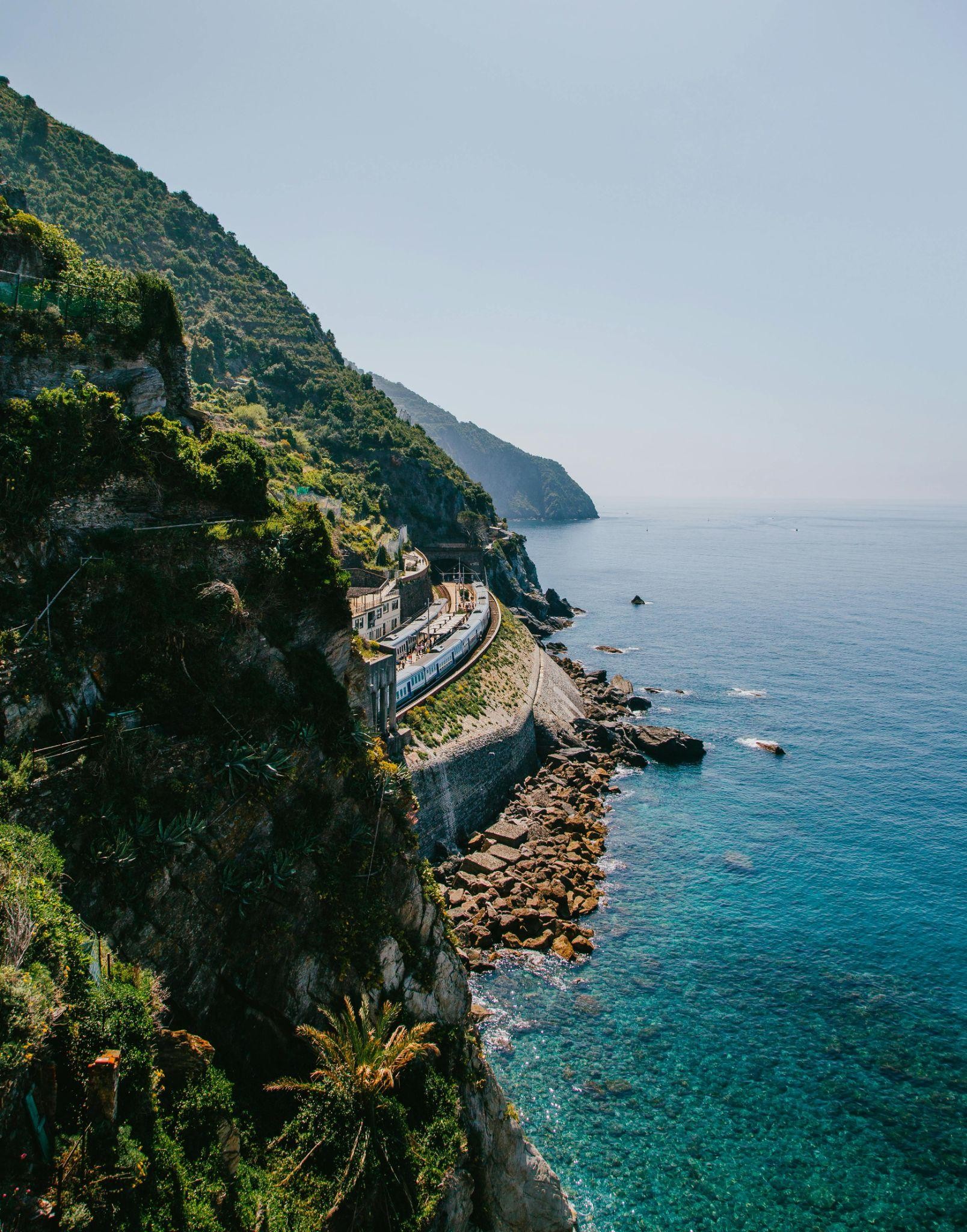
Want to try them? Take a quick trip to the sunny hills of Monferrato, Langhe, or in the Pornassio area in Liguria in early September. Just a heads-up: don’t get caught “borrowing” fruit from the vines! Ask a local farmer nicely, and if you’re lucky, you’ll get a taste of the grapes and their wine.
There is also another theory worth mentioning, suggesting the name may originate from the word dosso (hill), as these vines thrive on the rolling slopes of Piedmont.
Dolcetto Grapes: Characteristics, Health Benefits and Winemaking Challenges
Dolcetto grapes are naturally sweet when ripe, yet they are also rich in tannins, polyphenols, and anthocyanins. These natural compounds are known for their antioxidant properties and are often linked to the health benefits associated with grapes and red wines. Dolcetto grapes have been used for the grape diet, also called ampelotherapy. This natural diet is based on eating fresh grapes and has scientifically recognized benefits thanks to the nutrients found in grape skins and juice. If you are interested in starting this diet, consult a doctor who can guide you, and do not do it on your own.
Producing Dolcetto wine can be technically challenging for winemakers. One common issue during production is reduction, which can affect the wine’s aromas (e.g., rotten egg notes) if the fermentation and aging are not carefully managed. When this wine ferments, though, the whole cellar smells amazing. When freshly made, it bursts with the scent of bright red berries; it feels like springtime in a glass.
Dolcetto is a bit like us: it has a “rebellious teenage phase” for about a year. If it was harvested in September, wait exactly one year to drink it.
It’s a living thing that changes with the seasons, and sometimes, even from one day to the next.
Dolcetto wine is not easy to fully appreciate, nor easy to fully understand, but once you do, you keep searching for it like a young man in love searching for someone he has only just met.
What does Dolcetto Wine Taste like?
Italian Dolcetto Wine is typically dry, with moderate acidity and a soft, approachable structure. Compared to other Piedmontese reds, it is less acidic than Barbera but shows a pleasant bitterness on the finish, which makes it particularly food-friendly. Its tannins are present but generally smooth and not overly aggressive, especially when the wine is consumed young.
On the nose, Dolcetto often reveals aromas of fresh red and black fruits such as cherry, blackberry, and plum, sometimes accompanied by light almond notes. This aromatic profile, combined with its balance, makes it extremely versatile at the table.
Dolcetto wine pairs beautifully with traditional dishes from Piedmont and Liguria, including pasta with meat sauces, roasted meats, and simple everyday meals. It is also an excellent match for cured meats, cheeses, and rustic cuisine, making it a perfect choice for relaxed, convivial dining.
Where to Find the Best Dolcetto Wine in Piedmont
If you find yourself in the Langhe, I suggest you go for a Dolcetto di Diano d’Alba D.O.C., Gino Veronelli, one of Italy’s most influential food and wine critics, included it among the wines he loved most. Together with Dogliani D.O.C.G., they truly deserve to be tasted.
Moving towards the border with Liguria, Ovada is a key territory. Here, the wine benefits from refreshing sea breezes. It is important to highlight the incredible work done for Ovada DOCG by Mr. Stefano Ferrando, the local delegate of AIS (Italian Sommelier Association) for Ovada, whose dedication has been fundamental in promoting and elevating the prestige of this historic denomination.
Not far away, Acqui Terme is a highly suitable terroir. While famous for other varieties, a few of the best local producers dedicate themselves to Dolcetto here, creating small-production wines that truly stand out for their elegance and character.
Conclusion
In the end, I must admit that I do not have one single, definitive answer to the question that inspired the title of this article. There are many possible explanations, and each of them probably contains a small part of the truth. What I can say, based on my experience and my personal connection to this land, is that Dolcetto can be described with many adjectives, but “simple” is not one of them.
Dolcetto may appear straightforward at first glance, but when you taste it with attention, you discover a wine that changes, evolves, and reflects the character of the place where it was born. It carries the history of our hills, the habits of past generations, and the quiet wisdom of those who drank it every day without needing to explain why they loved it.
For this reason, I am convinced that Dolcetto will surprise you—and perhaps even surprise itself. Every bottle tells a different story, and every glass reminds us that the most authentic wines are often the ones that reveal their true personality only with time, curiosity, and a willingness to look beyond appearances.
In the hills of Northern Italy, especially across the vineyards of Piedmont, there is a wine that carries memories of family tables, shared meals, and long conversations: Dolcetto.