Discover the best trees to plant in Piedmont to enhance your holiday home and garden. Learn about ideal species, planting seasons, and essential care tips to improve comfort, support biodiversity, boost sustainability, and increase long-term property value and beauty
If you’ve fallen in love with Piedmont—the rolling vineyards, the quiet villages, the scent of linden trees in summer—you’re not alone.
Many travelers choose this region of Northern Italy not only for the food and wine, but for the lifestyle: slow, peaceful, nature-driven. And for those who own a second home here, or dream of having one, the outdoor space becomes an essential part of the experience.
A simple way to enrich both your stay and the value of your property is by planting the right trees. Whether you have a courtyard in the Langhe, a garden in Monferrato, or a small green corner near Lake Orta, the right choices can dramatically enhance the beauty, comfort, sustainability, and long-term enjoyment of your Italian home.
This guide will walk you through the best trees to plant in Piedmont, how to care for them, why they matter for the environment, and why having a local property professional makes the process (and maintenance) much easier when you’re away.
Why Trees Matter for Your Piedmont Property
Planting a tree isn’t just a decorative choice, it’s a long-term investment. For tourists who rent holiday homes and for owners who spend part of the year in Italy, trees offer several practical and emotional benefits:
- Shade and coolness during hot summers, reducing the need for air-conditioning and lowering energy costs.
- Increased property value, through improved landscape design.
- Biodiversity and pollinator support, which is especially appreciated in a region famous for wine and fruit production.
- Low-maintenance charm, ideal for those who spend limited time at their property.
- A sense of “home”, especially when you return each season and see your garden grow.
Choosing the right species is fundamental in a climate like Piedmont’s, where winters can be cold and summers increasingly warm.
There is a right time as well to plant a tree in this area of Italy. You might think spring is the perfect time to do it but, I have to tell you that it is not!
The Best Time to Plant a Tree in Piedmont
Plant in Autumn for Best Results
The ideal window runs from late October to early December, when the soil is still soft and the weather reliably wet. This allows the roots to establish before the cold arrives.
Spring Is Possible Too
If autumn doesn’t work for you, late February to April can be considered. However, you must avoid:
- Late frosts
- Waterlogged soil
- Early heatwaves
A locally based property manager can monitor conditions for you, ensuring the timing is perfect even if you’re abroad.
How to Take Care of a Young Tree (Even If You’re Away)
The first two years after planting are the most important. Here is what your tree needs:
1. Deep, Occasional Watering
Better one slow, deep watering than many small ones. This helps roots grow downward and become strong.
2. Mulching Around the Base
A light layer of natural mulch keeps the soil moist, regulates temperature, and reduces weeds. It’s extremely helpful for homeowners who can’t visit frequently.
3. A Support Stake (Tutor)
Young trees benefit from a stake for the first 12–24 months to keep them stable during wind or snow.
4. Light Structural Pruning
A bit of shaping in the early years guarantees a balanced, long-lasting structure—something best done by a professional caretaker while you’re away.
What Shall I Plant?
Below are 5 beautiful, strong, and climate-friendly choices.
1. Linden (Tiglio) — Soft Shade & Sweet Aroma
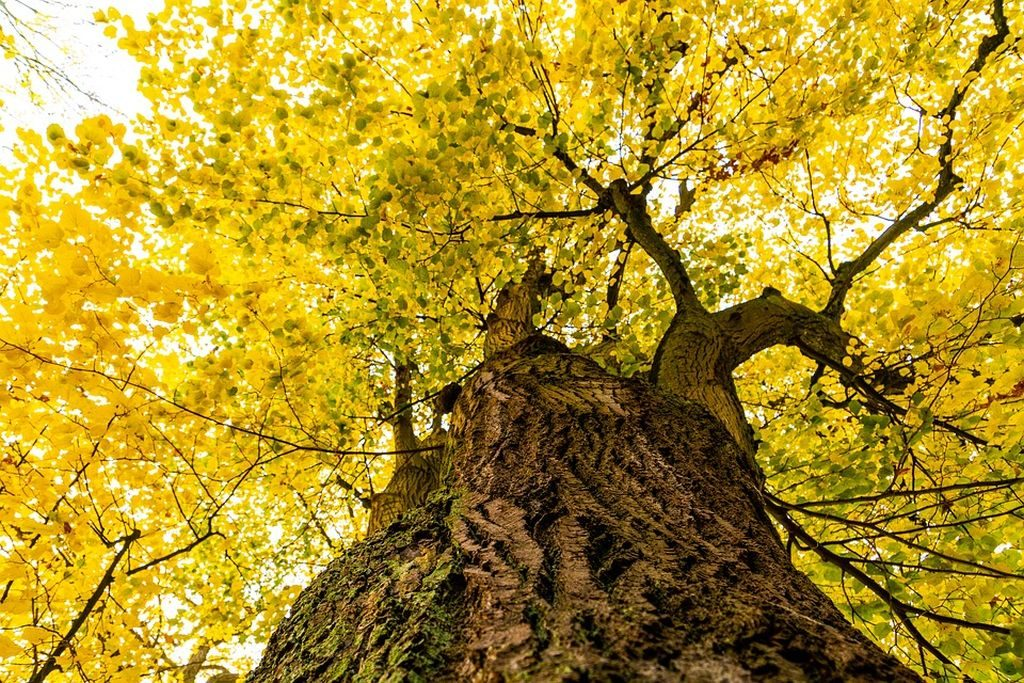
The Linden tree is elegant, resistant, and famous for its relaxing scent. Bees love it, and in June the perfume fills the air. It reminds me of when I was a young boy in Acqui Terme, the scent of the Linden told you the school was over and summer just starting. For me, its fragrance means something beautiful is about to start.
Why choose it?
- Strong and long-lasting
- Great natural shade,it grows very fast (in 8/10 years can become a big tree)
- Splendid perfume in bloom
Since linden produces many leaves and honeydew, do not plant it where you park the car and consider that the roots may break floors or asphalt.
2. Maple (Acero) — A Fire of Autumn Colors

Perfect for: small gardens, holiday homes, panoramic terraces
Maple trees, especially Japanese varieties, explode in warm colors every autumn: gold, orange, red, copper.
Why choose it?
- Spectacular seasonal colours
- Ideal for decorative gardens
- Tolerates cold winters very well
The Japanese red maple variety “Osakazuki” requires locations that are not excessively sunny or windy because the tree may suffer from lack of water and the leaves may burn under the rays of the summer sun.
If you want to “stay local”: Acer campestre, Acer pseudoplatanus or Acero montano,Acer platanoides and Acer opalus are species considered native and adapt naturally to the climatic and soil conditions in Piedmont.
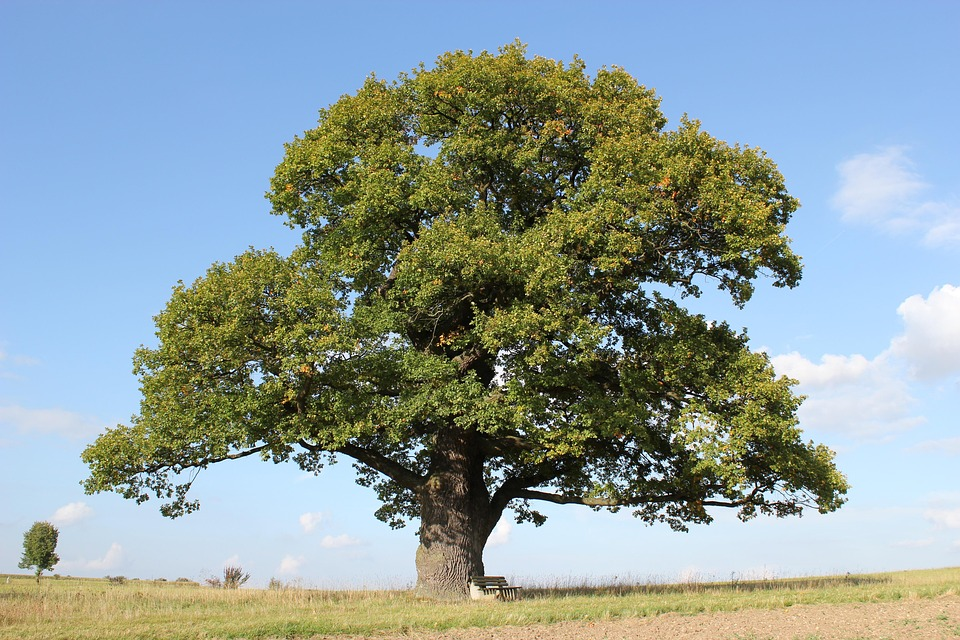
3. Oak (Quercia) — Majesty & Tradition
Perfect for: rural Langhe, large Monferrato properties
The oak is powerful, ancient, and symbolic. It grows slowly but becomes a guardian of your land for centuries.
Why choose it?
- Extremely long-lived
- Strong against wind, cold, and dry climate
- Creates stable, cool shade
Oaks support a vast network of biodiversity, providing food, shelter, and nesting sites for countless animal species such as birds, rodents, and insects.
It can also increase the property value: the presence of a well-maintained, old oak tree can increase the aesthetic and, consequently, real estate value of a garden.
Be aware that the extensive root system can cause structural problems, damaging walls, sidewalks, or pipes if the tree is planted too close to the house or other construction.
4. Paulownia — Fast Growth & “Wow” Effect
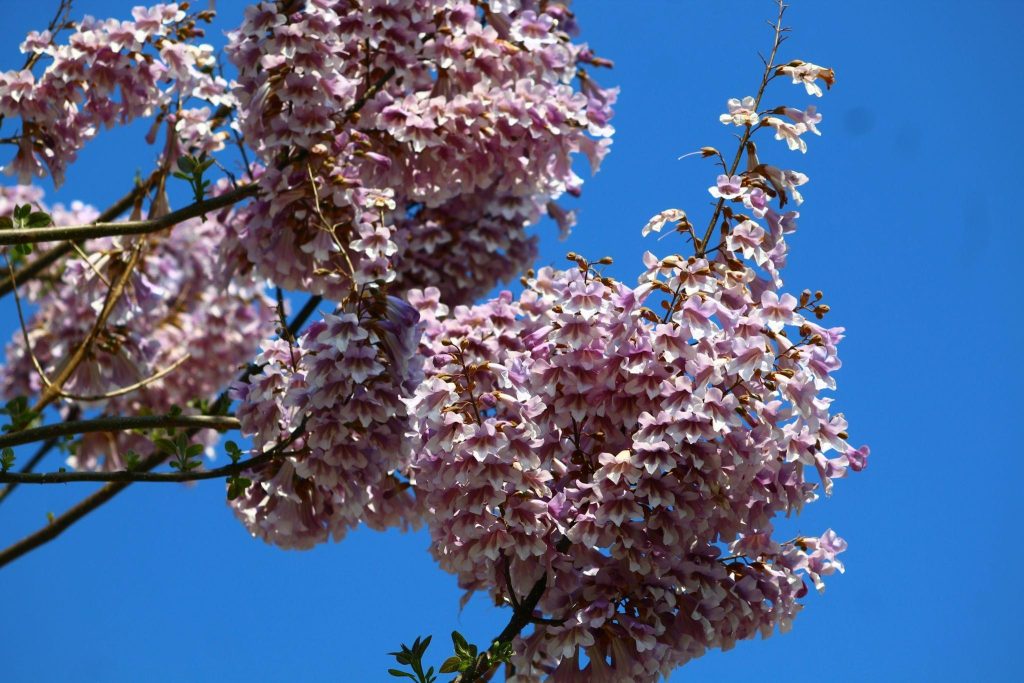
Perfect for: holiday homes needing quick shade
Paulownia is one of the fastest-growing trees in the world. Its huge leaves and purple flowers bring instant beauty.
Why choose it?
- Grows very fast
- Unique decorative shape
- Violet-lilac spring flowers
It absorbs very high amounts of CO₂ compared to many traditional species and as an adult, it tolerates even long periods without water.
Non-invasive root system The roots go deep, do not raise floors or walls.
Consider that it grows very fast and the trunk can be fragile when young and It suffers from cold in the early years. Strong frosts can damage young shoots.
5. Magnolia — Pure Spring Elegance

Perfect for: small luxury gardens
Magnolias create a refined, timeless atmosphere with their large white or pink flowers. A perfect tree to welcome guests.
Why choose it?
- Evergreens available
- Stunning flowers
- Low maintenance
Magnolia Soulangeana blooms in spring with large pink/white flowers before foliage, one of the most popular ornamental trees in Piedmontese gardens. As it is an evergreen tree it is great for privacy and shielding.
If you want to plant a magnolia, consider that it grows slowly. Piedmontese summers are now drier, irrigation is needed in the early years.
The most sensitive species are Soulangeana and Stellata.
? Why a Local Property Manager Makes the Difference
If you live abroad or visit only a few times a year, trees still need:
- seasonal checks
- watering during dry months, especially in the first year of planting
- pruning
- monitoring for wind damage
- general garden care
A local property manager ensures your garden stays healthy while you’re away.
They can:
- supervise gardeners
- prepare the house before you arrive
- manage emergencies
- check the land after storms
- ensure the trees grow correctly
This last point is especially important in regions like Langhe and Monferrato, where steep hills characterized by compact clay and marl can lead to a lack of soil nutrients in young trees.
A trusted professional protects your investment and keeps your property beautiful all year.
Conclusion: Plant a Tree, Grow a Legacy
Whether your home is surrounded by vineyards in Langhe, rolling hills in Monferrato or overlooks the lake, the right trees can transform your outdoor space.
From the scent of Linden to the colours of Maple, from the majesty of the Oak to the elegance of the Magnolia, every choice adds beauty, life, and value.
Planting a tree is the first step to growing your legacy in Piedmont.
It’s a gift to the land, to nature, and to the future.
And with the support of a local expert watching over your home, you can enjoy peace of mind — even when you’re far away.