Barbera: The Wine That Piedmont Has Always Loved
“Barbera doesn’t need a special occasion. It makes an ordinary meal better.”
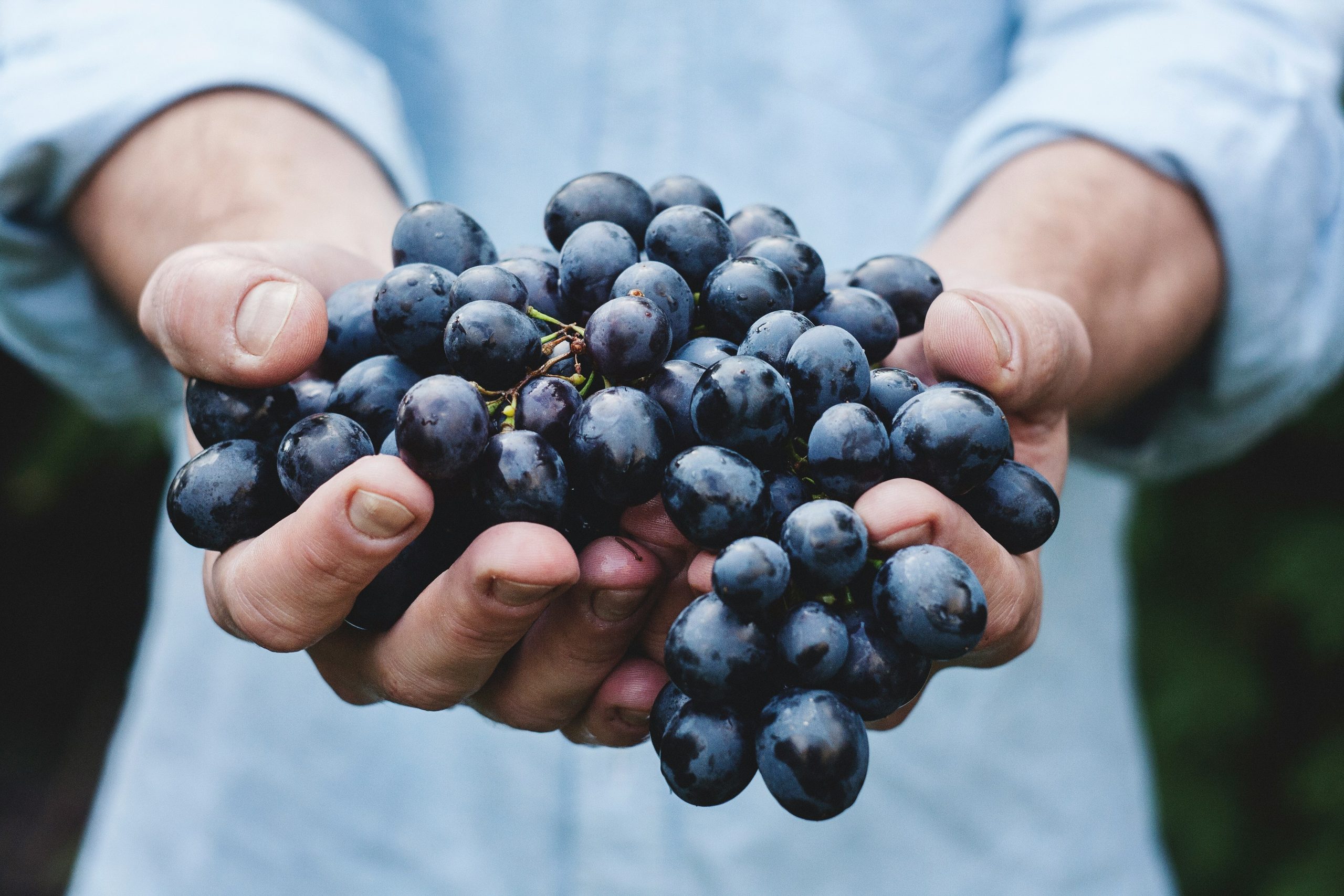
Barbera is Piedmont’s most widely planted red grape variety, accounting for approximately 30% of the region’s vineyard area, according to the Consorzio Barbera d’Asti e Vini del Monferrato. Its historical heartland is Monferrato, particularly the hills around Asti and Alessandria, where generations of growers have cultivated it.
One of the earliest references traditionally associated with Barbera dates back to the thirteenth century. Vineyard lease agreements preserved in the archives of the Cathedral of Casale Monferrato mention the phrase “de bonis vitibus barbexinis”. However, the interpretation of this historical reference remains debated among wine historians. Over the centuries, Barbera became deeply rooted in the agricultural and culinary traditions of southern Piedmont. Unlike wines whose prestige grew through royal courts and aristocratic cellars, Barbera built its reputation around everyday life: farmers returning from the vineyards, family meals and village trattorias where lunch could last for hours.
Today, it ranges from fresh, uncomplicated reds to complex wines capable of ageing for years. Yet its greatest strength remains unchanged: Barbera makes you want another sip.
The Secret of Barbera: The Pleasure of Freshness
To understand Barbera, start with one essential characteristic: acidity.
A good Barbera feels juicy, lively and energetic. Its aromas often evoke cherries, blackberries, plums and violets, sometimes followed by hints of spice, cocoa, tobacco or vanilla, particularly when the wine has matured in oak.
Compared with Nebbiolo, the grape behind Barolo and Barbaresco, Barbera generally has softer tannins. Nebbiolo can create a powerful, drying sensation, especially when young; Barbera offers a rounder, more immediately approachable experience, even when it has considerable body and alcohol.
This doesn’t make Barbera a simple wine. Its acidity gives it structure and makes it an exceptional companion at the table.
Imagine tajarin with a rich meat ragù. The sauce is savoury and generous, the pasta delicate. A fresh Barbera cuts through the richness, refreshes your palate and prepares you for the next bite.
That is its secret: rather than demanding your attention, it wins you over through balance and pleasure.
Some Barberas are vinified in steel tanks to preserve their vibrant fruit and youthful character. Others undergo oak ageing, gaining concentration, complexity and the ability to evolve in the bottle. Both styles have their place, and discovering the differences is part of the fun.
Giacomo Bologna: The Man Who Changed Barbera Forever
For decades, Barbera was primarily associated with everyday drinking. It was reliable and popular, but rarely considered a serious contender among Italy’s prestigious wines.
Giacomo Bologna saw something different. The founder of Braida winery in Rocchetta Tanaro, in the province of Asti, believed that Barbera could produce wines of remarkable depth and elegance.
His approach was revolutionary in its ambition. Rather than treating the grape’s naturally high acidity as a limit, he recognised it as an asset that could balance ripe fruit, concentration and oak ageing.
His landmark wine, Bricco dell’Uccellone, first released with the 1982 vintage, helped transform Barbera’s reputation. Carefully selected grapes and ambitious winemaking produced a richer, more structured wine capable of attracting the attention of international wine professionals and collectors.
The name has its own intriguing story. Uccellone means “big bird”, and local lore links the nickname to a woman associated with that hill, known locally as Bricco, reportedly recognised for a prominent nose resembling a bird’s beak. The precise origins remain part of local legend, adding another layer of character to an already memorable wine.
Giacomo Bologna was not the only pioneer. Other producers, critics, journalists and educators also helped improve the image of Piedmontese wine. Earlier generations of wine experts, including Giovanni Dalmasso, contributed to the study and understanding of the Barbera grape variety, while Luigi Veronelli became one of Italy’s most influential wine and food communicators, encouraging consumers to look beyond famous names and appreciate the identity of individual producers and territories.
Nizza: Where Barbera Found a New Identity
If you want to explore the modern history of Barbera, I recommend visiting the hills around Nizza Monferrato.
This part of the Asti province has a particularly strong historical relationship with the grape. An archival document from 1609, discovered by wine producer and historian Arturo Bersano and later published by Giovanni Dalmasso in 1971, records the importance of Barbera in the former Gonzaga County of Nizza della Paglia.
Centuries later, local producers wanted to give this historic territory a clearer identity. Their efforts eventually led to the creation of Nizza DOCG, a denomination introduced with the 2014 vintage and dedicated exclusively to Barbera.
The decision to call the wine Nizza, rather than simply Barbera, is meaningful. It puts the territory at the centre of the story.
Nizza DOCG is made from 100% Barbera grown in a defined group of municipalities. The production rules require hillside vineyards, limited yields and a minimum ageing period of 18 months, including at least six months in wood. Nizza Riserva requires at least 30 months, including 12 months in wood.
A good Nizza often combines ripe dark fruit with a firm structure, freshness and a long finish. Depending on the producer, it can also reveal notes of spice, cocoa, tobacco and dried herbs.
But what makes it interesting is not simply its concentration. It is the way the wine expresses the hills from which it comes.
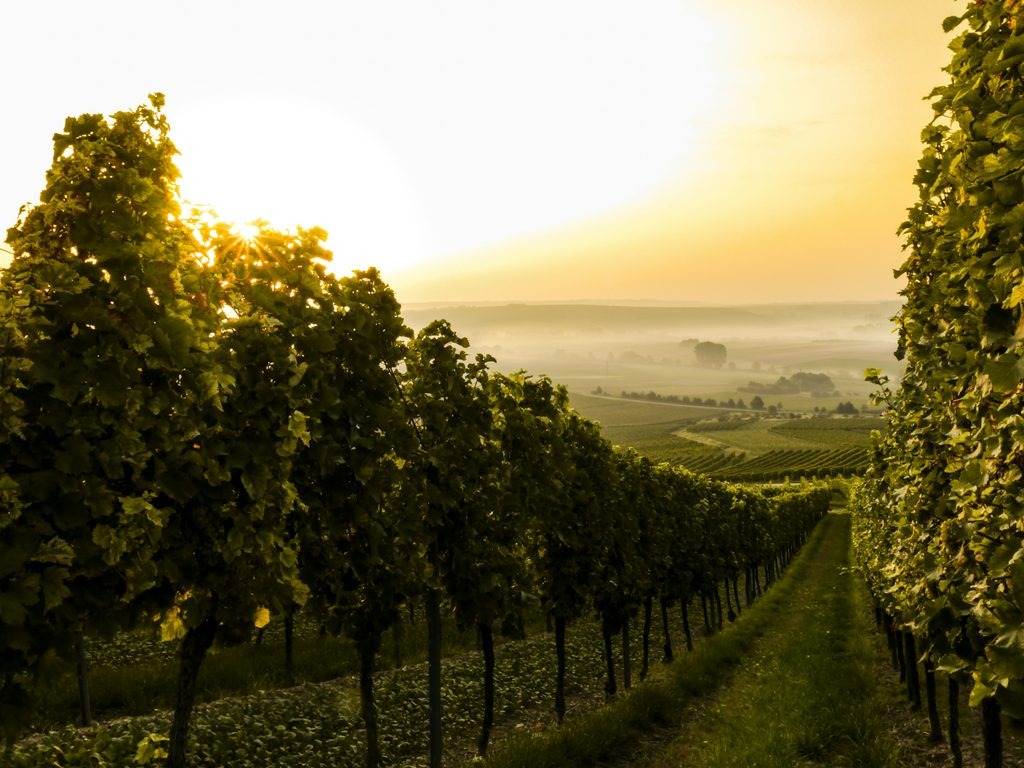
When you visit Nizza Monferrato, the landscape tells you a great deal about the wine. Vineyards cover the rolling slopes, small villages sit among the hills, and the countryside still feels connected to agriculture and the rhythm of the seasons.
Here, Barbera is not an international trend. It is part of the local identity.
What Does Barbera Superiore Mean?
For Barbera d’Asti DOCG, the Superiore category requires at least 14 months of ageing, including at least six months in wooden barrels. It also requires a higher minimum alcohol content than the standard Barbera d’Asti.
Please remember that Nizza is a separate denomination, not simply another name for Barbera d’Asti Superiore.
If you enjoy powerful, structured reds, a Barbera Superiore or a Nizza can be an excellent choice. If you prefer freshness, fruit and immediate pleasure, a younger Barbera may be exactly what you are looking for.
The best bottle is not necessarily the one that has spent the longest time in the cellar. It is the one that suits your taste, your food and the moment.
What Does Barbera Taste Like?
A typical Barbera has a deep ruby-red colour, often becoming more garnet with age. In its youth, however, it looks remarkably like Dolcetto!
Barbera’s nose is usually generous, with aromas of cherry, blackberry, plum and sometimes violet.
On the palate, the first sensation is often freshness. A young Barbera can feel juicy and lively, with a finish that encourages another sip. More ambitious examples of Barbera may reveal layers of dark fruit, spices, cocoa and tobacco, developing a longer and more complex finish.
The grape’s character also explains why it can be so satisfying with food. Its acidity balances rich flavours, and its fruit complements both meat and vegetables.
When serving Barbera, avoid making it too warm. Around 14–16°C is a useful starting point for a fresh, fruit-driven example; a fuller, oak-aged wine can be served slightly warmer.
You do not need to decant every bottle, but a more structured Barbera may benefit from some time in the glass.
Most importantly, give the wine a chance to show its character. Taste it slowly, with food if possible, and notice how the flavours change as the wine opens.
What Should You Eat with Barbera?
In Piedmont, the best way to discover Barbera is to drink it with local food.
Start with agnolotti, the traditional filled pasta served throughout the region. Their savoury filling and rich meat sauce work beautifully with the wine’s freshness.
Try Barbera with tajarin and ragù, roasted pork, grilled sausages or a plate of salumi. It is also an excellent partner for aged cheeses, particularly when you are enjoying a relaxed meal with friends.
If you are looking for a more traditional Monferrato experience brought straight to your home in Piedmont, you can book a memorable private chef experience with wine pairings.
Conclusion: The Piedmontese Red That Leaves You Wanting More
After centuries of history, Barbera continues to occupy a special place in Piedmont.
Barbera has transformed its reputation, yet its essential character remains remarkably familiar.
Giacomo Bologna helped demonstrate how far the grape could go. The producers of Nizza have shown how powerfully Barbera can express the character of a specific territory. Generations of growers, wine professionals and communicators have helped the world appreciate this variety.
But perhaps the most important reason for Barbera’s success is also the simplest. It is a wine people genuinely enjoy drinking.
So, the next time you find yourself in Piedmont, look beyond the most famous labels. Choose a Barbera d’Asti, explore a Nizza DOCG, or discover a Barbera d’Alba from a producer who works with passion.
Bring it to the table with local food, take your time and enjoy the moment. Because Barbera does not need to be the most expensive or prestigious wine in the cellar to become the most memorable bottle of the evening.
And when the first glass is finished and someone reaches for the bottle again, you may understand the secret that Piedmont has known for centuries: the greatest wines are not always the ones we admire from a distance. They are the ones we love the most.